 Reviews

 Proudly American

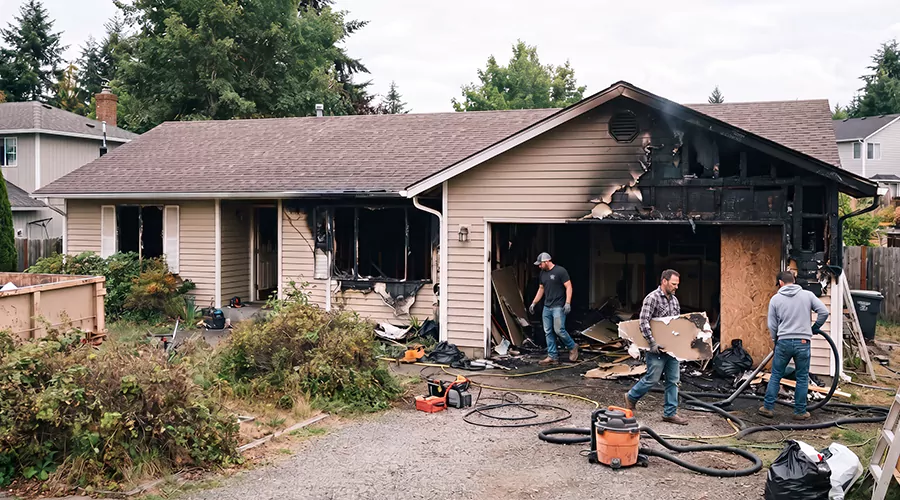
Fire damage restoration takes about four months on average in 2026, but the full timeline can range from roughly two weeks to 12 months. A small contained fire may need only a few weeks. Major structural damage can require many months of cleanup and rebuilding.
The schedule depends on the affected area and how far smoke traveled. Fire and water restoration may take longer when firefighting water causes additional moisture damage, adding drying time before repairs begin.
What Is the Typical Fire Restoration Timeline?
A typical project moves through stabilization before cleaning and repair. Minor smoke-only losses may finish within days or a few weeks. Moderate room fires often take one to three months. Major structural losses can require six to 12 months or longer.
| Damage Level | Typical Timeline | Common Scope |
|---|---|---|
| Minor smoke damage | 3 days to 2 weeks | Cleaning and odor treatment |
| Small room fire | 2 to 6 weeks | Cleanup plus limited repairs |
| Moderate multi-room fire | 1 to 3 months | Demolition and rebuilding |
| Major structural fire | 6 to 12 months+ | Structural reconstruction |
Current 2026 project data places the overall average near four months. The range is wide because fire restoration can mean cleaning one room or rebuilding a large part of a home.
What Happens During the First Week?
The first week usually focuses on making the property safe and stopping secondary damage. Water left from firefighting may need extraction. Damaged openings may need temporary protection. The affected area is also documented so the repair scope can be planned.
Common early steps include:
- Confirm that authorities have cleared the property.
- Document visible damage.
- Secure damaged openings.
- Remove standing firefighting water.
- Begin drying where needed.
- Identify materials that cannot remain.
Emergency fire restoration can move quickly during this stage even when the full project will take months.
How Long Does Smoke and Soot Cleanup Take?
Smoke and soot cleanup can take a few days for a small loss or several weeks when residue spreads through many rooms. The timeline depends on the affected surface area and whether smoke entered porous materials or the HVAC system. Smoke damage cleaning may include dry soot removal before washable surfaces are cleaned. Odor treatment usually follows source cleaning. A minor cooking fire can sometimes be cleaned within a few days. Fire smoke damage restoration can take three weeks or longer when smoke has traveled throughout the property.
How Much Time Does Firefighting Water Add?
Water used to extinguish a fire can add several days because wet building materials must dry before reconstruction begins. Flooring or drywall can hold moisture after visible water has been extracted. Heavily saturated materials may need a week or longer. Water and fire damage restoration therefore combines two recovery problems. The burned area may be ready for demolition while an adjacent wet room still needs drying.
What Makes the Timeline Longer?
Large projects take longer when several types of damage overlap. Structural repairs create the biggest extension because demolition and rebuilding follow normal construction schedules. Insurance approval or permit review can also delay work after initial cleaning.
Common causes include:
- Structural framing damage
- Roof damage
- Heavy soot across several rooms
- Wet insulation or flooring
- HVAC contamination
- Permit requirements
- Insurance approval delays
- Specialty material lead times
Fire damage reconstruction can take much longer than fire damage clean up because structural materials must be rebuilt after the property is stable.
What Warning Signs Suggest a Longer Restoration?
A longer schedule is likely when the fire affected structural components or several rooms contain heavy residue. Water damage below the fire area can create another delay. Persistent smoke odor after cleaning can also signal a broader contamination problem.
Watch for these signs:
- Roof framing was burned.
- Several rooms contain heavy soot.
- Water reached the floor below.
- Insulation is saturated.
- HVAC vents contain residue.
- Electrical systems were damaged.
- Flooring needs removal.
- Smoke odor returns after cleaning.
- Structural permits are required.
- Custom materials need replacement.
Fire damage repair often becomes the longest phase once these conditions are present.
What Can You Check Before Repairs Begin?
You can perform a simple visual and odor check after cleaning. Close the affected area for several hours when it is safe. Returning smoke odor can indicate that contaminated material remains and may need more attention before new finishes are installed.
Also check whether:
- Visible soot still transfers to a clean cloth.
- Wet materials have been confirmed dry.
- Damaged areas are fully documented.
- The repair scope matches the affected area.
Do not disturb unstable materials just to perform this check.
When Should You Call a Professional?
Professional assessment is appropriate when structural materials were burned or the electrical system was exposed to fire. Heavy smoke across several rooms also deserves broader inspection. Water trapped inside walls can create another hidden problem that is difficult to judge by appearance.
Consider professional help when:
- Authorities report structural damage.
- Roof or framing components were affected.
- Electrical wiring was exposed.
- Several rooms have heavy soot.
- Firefighting water entered wall cavities.
- Persistent odor remains.
Fire and smoke damage restoration often needs separate cleaning and reconstruction scopes. Listing those stages separately makes the timeline easier to understand.
How Can You Avoid Unnecessary Delays?
The best way to avoid added delay is to document damage early and prevent secondary damage from spreading. Firefighting water should not remain for days. Loose soot should also not be carried through clean rooms by unnecessary foot traffic.
Helpful actions include:
- Photograph damage before moving items.
- Keep heavily affected rooms isolated.
- Save receipts and repair records.
- Avoid running contaminated HVAC equipment.
- Keep insurance documents organized.
- Make material selections early after approval.
Early choices on flooring or cabinets can reduce later material-order delays.
Conclusion
Fire damage restoration takes about four months on average, but the timeline can range from two weeks to 12 months. Smoke-only cleanup sits near the short end while structural rebuilding creates the longest schedules. Firefighting water can add more time. If structural damage is involved, professional assessment can provide a realistic schedule. This week, organize photos and records from the loss before repairs begin.
Frequently Asked Questions
Can fire damage restoration take only a few days?
Yes. A small smoke-only incident may be cleaned within several days when there is no structural damage.
How long does a one-room fire take to restore?
A limited one-room fire can take about two to six weeks when cleanup and minor repairs are required.
Why can major fire restoration take a year?
Structural rebuilding may require permits or engineering. Insurance approvals can also extend the schedule.
Does smoke damage increase the timeline?
Yes. Smoke can travel into rooms that were never burned and expand the cleaning area.
Does soot delay reconstruction?
Yes. Soot damage should be cleaned before new finishes cover affected surfaces.
Is cleanup usually shorter than rebuilding?
Yes. Cleanup may take days or weeks while major rebuilding can continue for months.